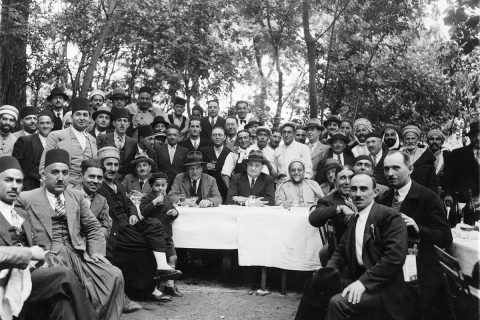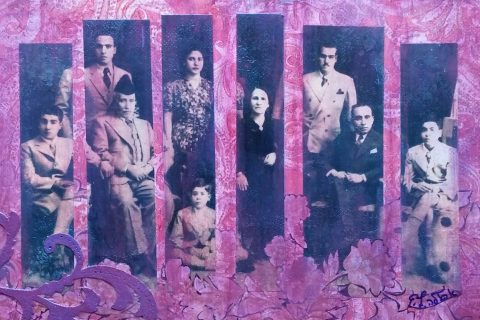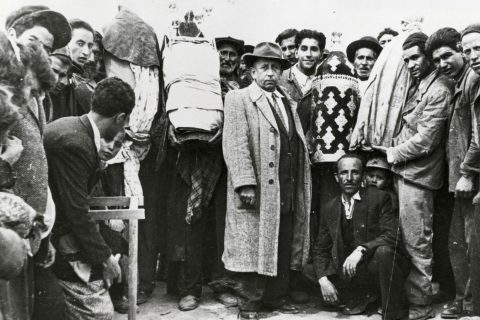
Heirlooms and keepsakes are windows to the past. They paint pictures and tell stories of important periods in one’s family history. This lesson offers students an opportunity to discover and access new stories, memories and history about themselves and their families by sharing family heirlooms with one another. This session also presents students with an understanding of the responsibility they have to preserve the traditions and values passed down to them from their family.
Objectives
- Students will access a family heirloom and research its background.
- Students will describe how heirlooms came into their family and what the item means to them.
- Students will connect to their family and its history by learning about heirlooms and family keepsakes.
- Students will understand their role in preserving the traditions handed down to them from their family.
Materials
- Paper and pens, white board and markers
- Heirlooms and personal artifacts from students
- Appendix A – Family Heirloom Worksheet
- Appendix B– Museum Labels
- Teacher’s family heirloom (as a sample)
- Index cards
Note to teacher: This lesson requires preparation. Students will go home and talk their family. They should be instructed to ask their family to locate a family heirloom which they can bring to school and share with the class. If this lesson is taught within the context of a religious tradition, request that the students bring keepsakes with a Jewish theme. If there are students of Sephardic or Mizrahi descent, encourage them to share family heirlooms related to the Sephardic and Mizrachi heritage.
Procedures
Introduction: My Family Heirloom
To create the “All Inclusive Heritage Museum”, introduce your heirloom story.”
- SHOWCASE a keepsake that is meaningful to you and your family and share it with your students.
- DISCUSS with the students:
- Where did it come from?
- Who was the first family member to own it?
- How long has it been in the family, and how long have you had it in your possession?
- On the board, WRITE “artifact” and “heirloom” with a definition.
- Artifact: Anything used by humans, such as pottery, arrowheads, stone tools, and animal (or human) bones with cutmarks.
- Heirloom: A piece of personal property passed down from generation to generation.
- BRAINSTORM TOGETHER
- What types of keepsakes and heirlooms would families pass on to on another?
- SEND HOME Appendix A for students to complete with their family. On the following day, students bring in their responses and heirloom.
Body of Lesson
- SAY to students: “To showcase and celebrate the special items you brought in today, we are going to create a mini museum to showcase our school’s diverse student body. We will exhibit these special personal items along with “museum labels” that will describe to viewers the history, background and significance of these items to our school and Jewish community.”
- HAND OUT Appendix B.
- SAY (Explain): “Using your heirloom worksheet that you filled out in preparation for this lesson at home, create a museum label for your family heirloom. The label should include some of the following information:
- What is the item?
- Where is it from?How old is the item (year)?
- One sentence about why this item is important to your family.
- One sentence about what this item teaches us about your family’s country of origin.
- STUDENTS DISPAY heirlooms on their desks.
- HAND OUT index cards to all students. Students respond to the following prompts as they walk around the “heritage museum” that they created:
- A question they have about one of the heirlooms.
- A feeling they felt when viewing an heirloom.
- Similarities or differences between their heirlooms and their classmates.
- Together, DISCUSS QUESTIONS/THOUGHTS raised about their heirlooms and their peers’ heirlooms.
Conclusion
Letters Back in Time
Conclude the lesson with a personal writing activity.
- SAY (Explain): “Now that we have learned about our family’s heritage and culture and shared these important stories with our fellow classmates and the school, we are going to write to the family member who gave our family the heirloom to keep. The purpose of the letter is to share with our family member the meaning and significance of this item to our family, and to explain how we will continue to honor the values and legacy this person instilled in our family.”
- STUDENTS TAKE LETTERS HOME to share with their families.
Extension Activities
- Create a school-wide museum collaborating with other grades/classrooms.
- Interview a family member who can share their life experience (e.g. immigrant story, an historical event, challenges and success of their family’s history)
- Share additional heirlooms and photographs to learn about the historical periods. Student observe clothing, hairstyles, products have changed over the years.
Resources and External Links
Researching a family heirloom
A Part of the Family: How to Make Kids Care About Family Heirlooms
Family History: Activity Pack
From http://www.pbs.org/opb/historydetectives/educators/lessonplan/family-history-activity-pack/
Top Ideas for Using Keepsakes to Bring Your Family Closer
From http://www.legacyproject.org/guides/keepsakes.html
Growing Little Leaves: Genealogy for Children
From http://www.growinglittleleaves.com/resources.html